Asian Ethnic Rhinoplasty in Turkey
 Opr. Dr. Abdulkadir KilimcioğluENT & Rhinoplasty Specialist
Contents
- 1.How Does Rhinoplasty for Asian Patients Differ?
- 2.Common Anatomical Features in Asian Patients
- 3.Cost of Asian Rhinoplasty in Turkey 2026
- 4.Primary Surgical Goals for Asian Ethnic Rhinoplasty
- 5.Surgical Techniques
- 6.Functional Aspects
- 7.Recovery and Healing Process
- 8.Revision Asian Rhinoplasty in Istanbul
- 9.Conclusion
- 10.Frequently Asked Questions
Rhinoplasty for people of Asian descent means nose surgery, just as it does for any other person. The term “Asian rhinoplasty” simply means surgery on people who possess particular anatomical features. Although most patients may require augmentation, the reasons are always individual. They vary from increasing the dorsal height area to refining a wide tip or nostril flare, and refining the tip without altering the bridge. The common thread is the structural approach to the surgery, which honors the original features and the desires of the individual.
Dr. Kadir performs rhinoplasty surgery on people of Asian ethnic descent who wish to enhance their features naturally.
How Does Rhinoplasty for Asian Patients Differ?
The differences of the Asian ethnic rhinoplasty include the following:
Augmentation or Reduction
Although the need to augment the nose is the most common complaint of Asian patients, there are cases where the patient might need reduction. In other cases, the patient might need a combination of the two.
Structural Support
In Asian patients, the quality of the cartilage varies. In some cases, the patient might have softer cartilage. In these cases, the patient might need structural support to maintain the projection of the nose. In these cases, rib cartilage might be advised. However, in other cases where the patient might need less support, septal or ear cartilage might be sufficient.
Skin Consideration
In Asian patients, the thickness of the skin varies. In most cases, the skin is thick and sebaceous. This type of skin can hide the definition of the incision site. In these cases, the healing time can take as long as 12-18 months.
Individual Variation
There are cases where the patient might have a well-defined nose. In these cases, the patient might need no correction. However, there may be cases where the patient needs augmentation of the dorsal nasal area. One patient might need refinement of the tip of the nose. In other cases, the patient might need a reduction of the nasal base.
When is Tip-Only Surgery Appropriate?
When the patient is satisfied with the size and width of their nasal bridge, and there is no significant septal deviation or bony correction needed, isolated tip surgery may be appropriate. This involves procedures such as tip definition, projection (increase or decrease), narrowing, and base reduction with nostril refinement. This is based on the patient’s anatomy and their satisfaction with their dorsal appearance.
Common Anatomical Features in Asian Patients
Every person’s nose is unique, and surgical plans are tailored to fit each individual’s needs, but Asian patients tend to share certain common anatomical features, as follows:
- Low nasal bridge with a flat look from the front
- Thick, oily skin, especially in the nasal tip area
- Weakened lower lateral cartilages with poor intrinsic tip support
- Wide nasal base with flared alae in some patients
Cost of Asian Rhinoplasty in Turkey 2026
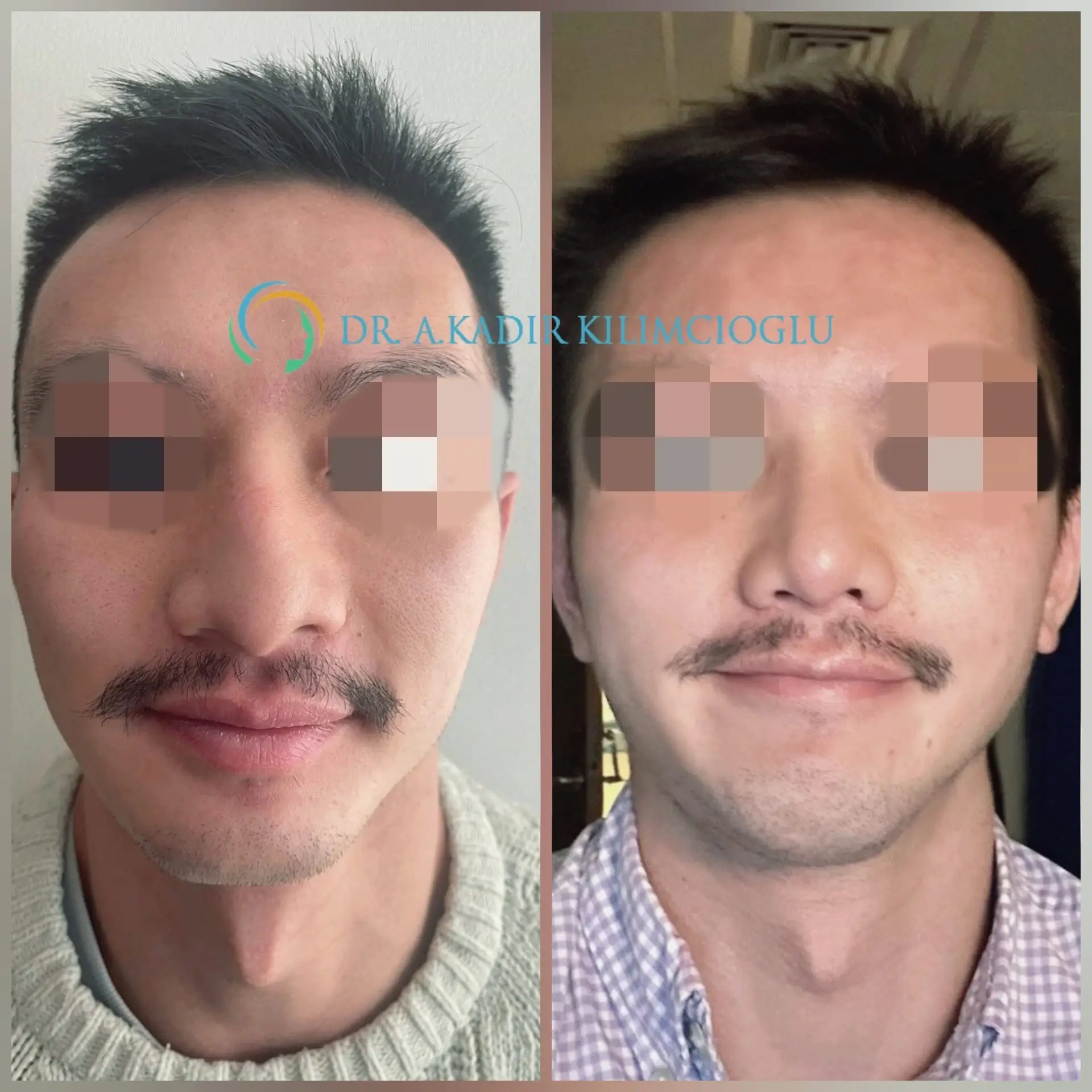
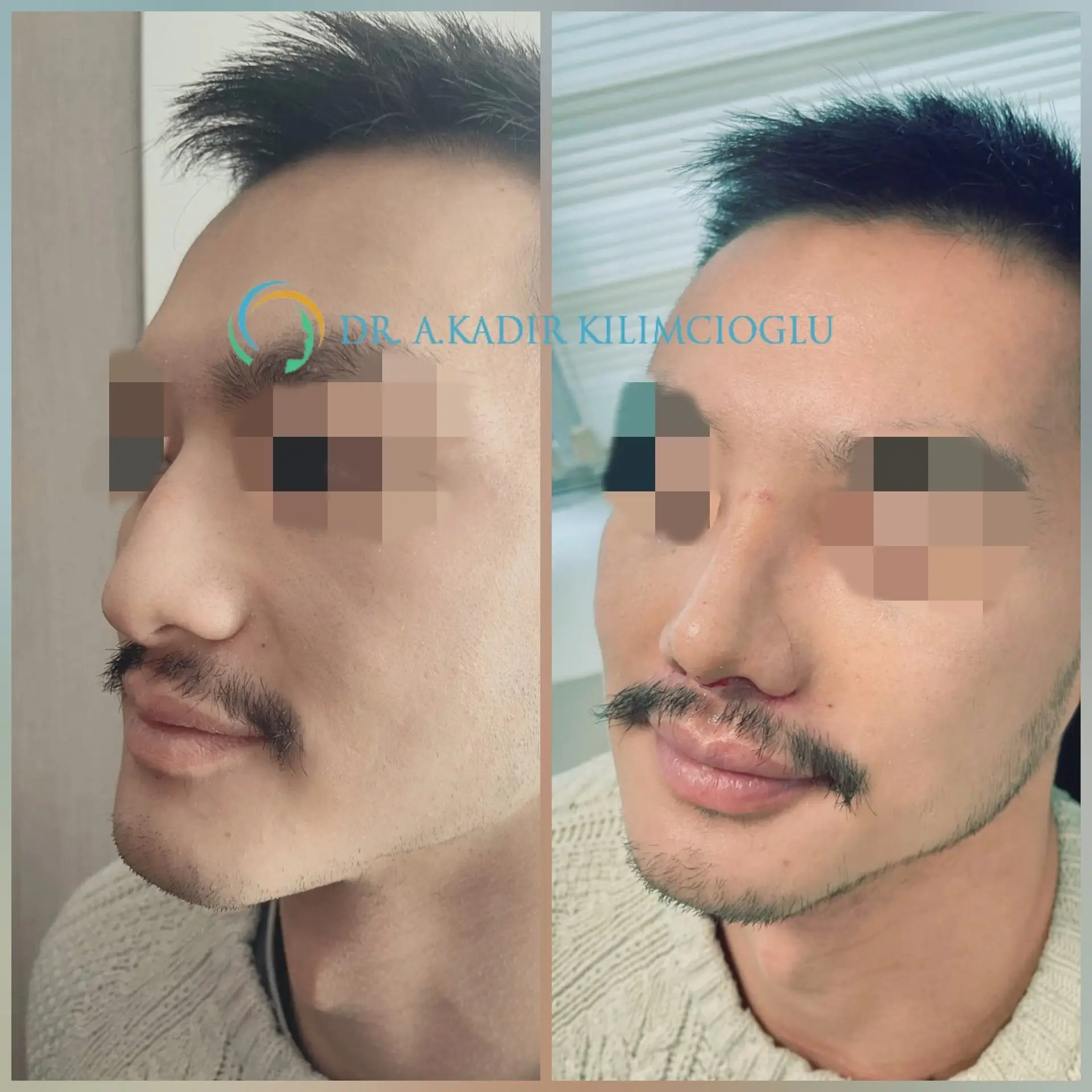
The price of Asian Rhinoplasty Turkey begins at €4,000, including all fees, for primary surgery. The final cost will depend on the complexity of the case and the need to graft extensive cartilage, among other factors. The price includes all fees, hospital expenses, blood tests, anesthesia, one night’s hospital stay, post-surgical care, and insurance against complications.
Primary Surgical Goals for Asian Ethnic Rhinoplasty
The common surgical objectives of Asian Rhinoplasty Turkey include:
- Dorsal augmentation: Raising the nasal bridge
- Tip projection and definition: Improving the projection and definition of the nasal tip.
- Structural grafting: Building a strong cartilaginous base using grafting techniques such as the septal extension graft and the cap graft.
- Alar base reduction: Redefining the flared nostrils to improve the definition of the base of the nose.
- Maintaining ethnic harmony: Improving the appearance of the nose while maintaining harmony with the unique features of the patient’s face, avoiding the “one-size-fits-all” look.
This type of nose job requires avoiding overaugmentation and overreduction. For patients undergoing tip-only surgery, goals focus on tip refinement, projection adjustment, and nostril narrowing without altering the bridge.
Surgical Techniques
Dorsal Augmentation
In dorsal augmentation, the use of autogenous cartilage (nasal septal, ear, or rib) is preferred over synthetic materials. Diced cartilage is useful for smooth contouring. Rib cartilage is reserved for situations where a lot of augmentation is needed, or other cartilages are insufficient. Not all patients need dorsal work. Some need only refinement in the tip area.
Tip Projection and Support
To achieve a stable projection in the tip area, the following grafts are necessary:
- Septal extension graft – This graft helps in increasing the length of the nose and provides firm support to the tip.
- Strut graft – This graft functions as a central pillar for maintaining projection.
- Cap graft – This graft helps in adding definition and projection to the tip.
The need for these grafts varies from person to person. Some may need all three grafts, and others may need none.
Functional Aspects
Dr. Kadir, in his role as an ENT specialist, ensures that both functional and cosmetic problems are addressed in a single procedure. Functional problems that are commonly addressed in association with cosmetic rhinoplasty include correcting a deviated septum, reinforcing weakened internal nasal valves, nasal polyps, and endoscopic sinus surgery or reduction of nasal concha (turbinates), also known as turbinoplasty.
Recovery and Healing Process
The recovery process is an essential aspect that should be taken into consideration to ensure that the patient is satisfied with the healing process:
- 7 to 14 days: Significant swelling and bruising.
- 3 to 6 months: Most swelling goes down, and the new look of the nose is prominent.
- 12 to 18 months: This is when the final look is achieved, especially with the nose tip. For people with thick skin, this process is much longer, as it slowly adapts to the new look, with cartilage grafts taking their own time to settle.
Revision Asian Rhinoplasty in Istanbul
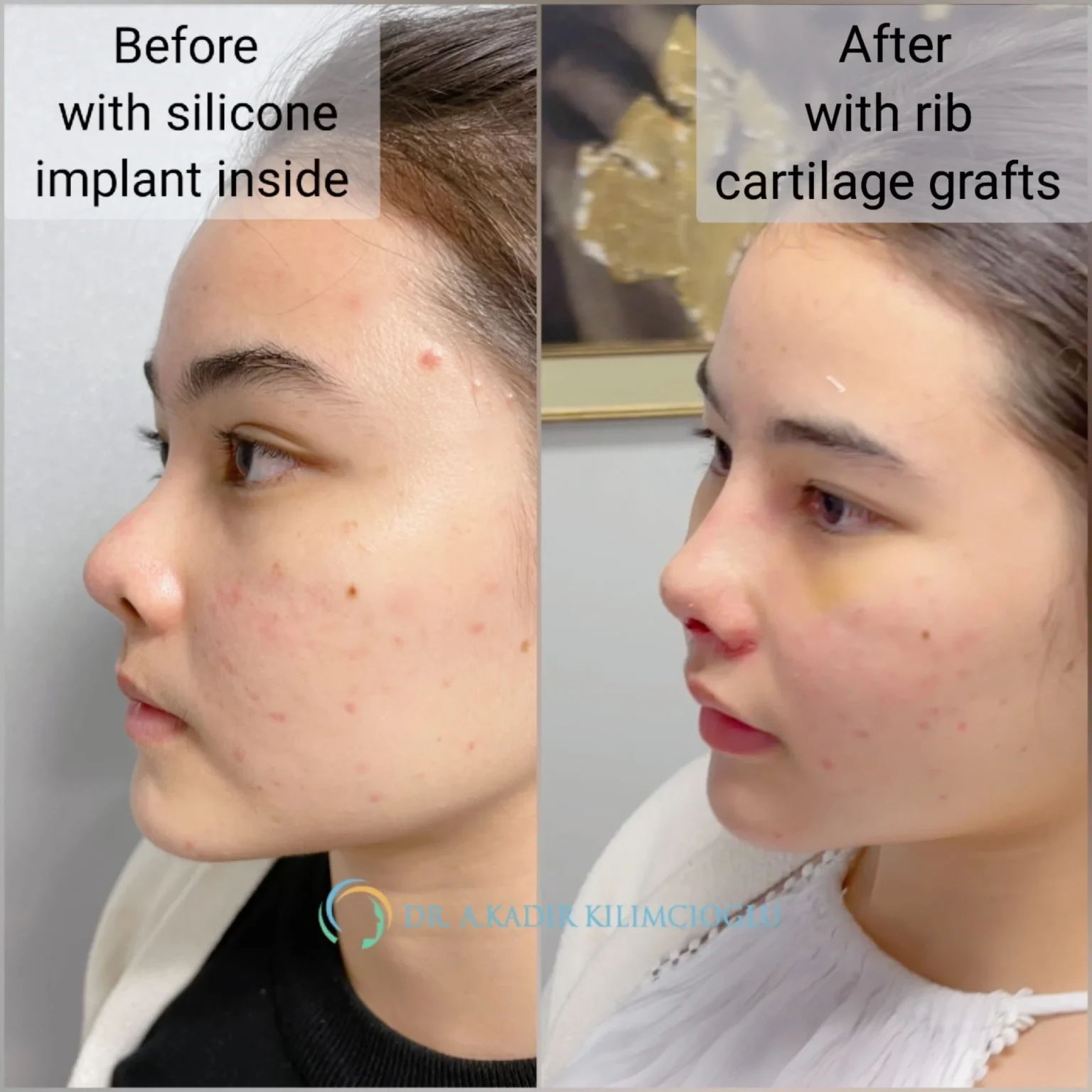
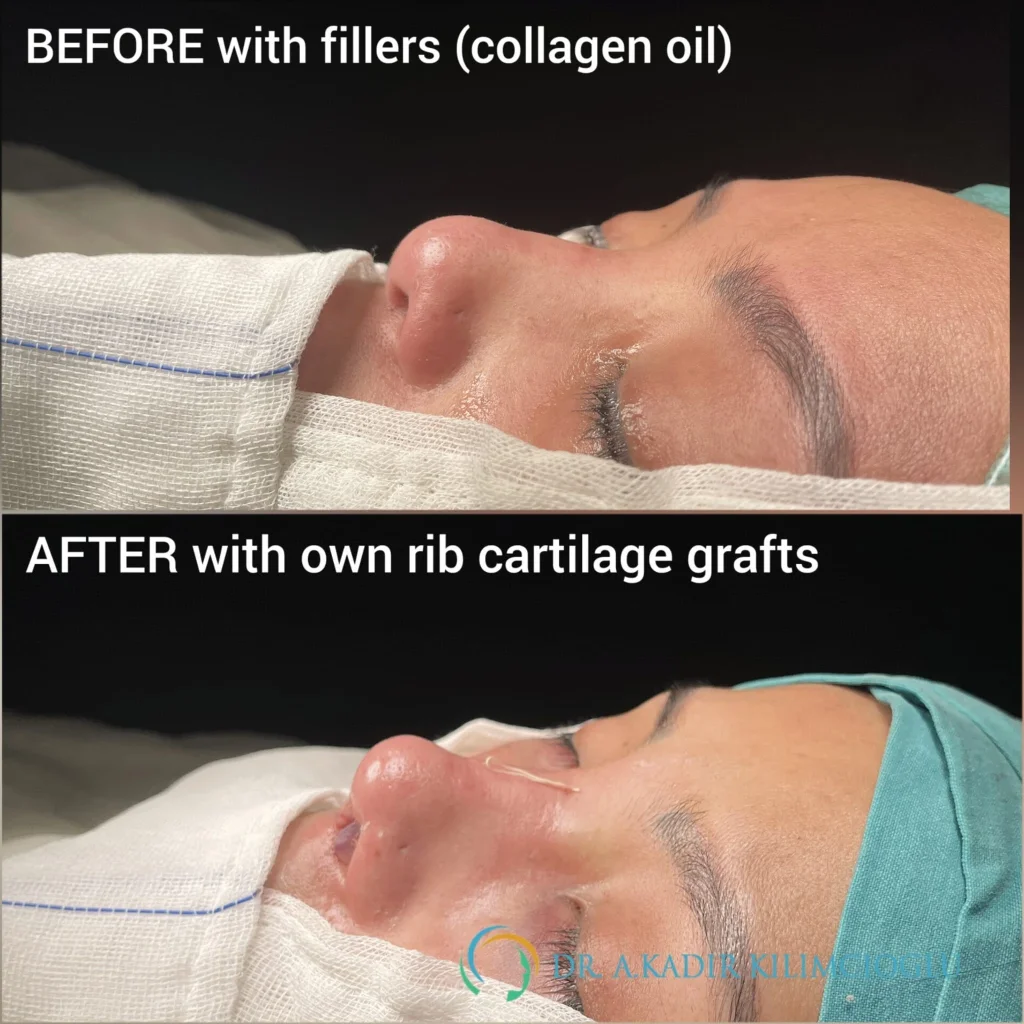
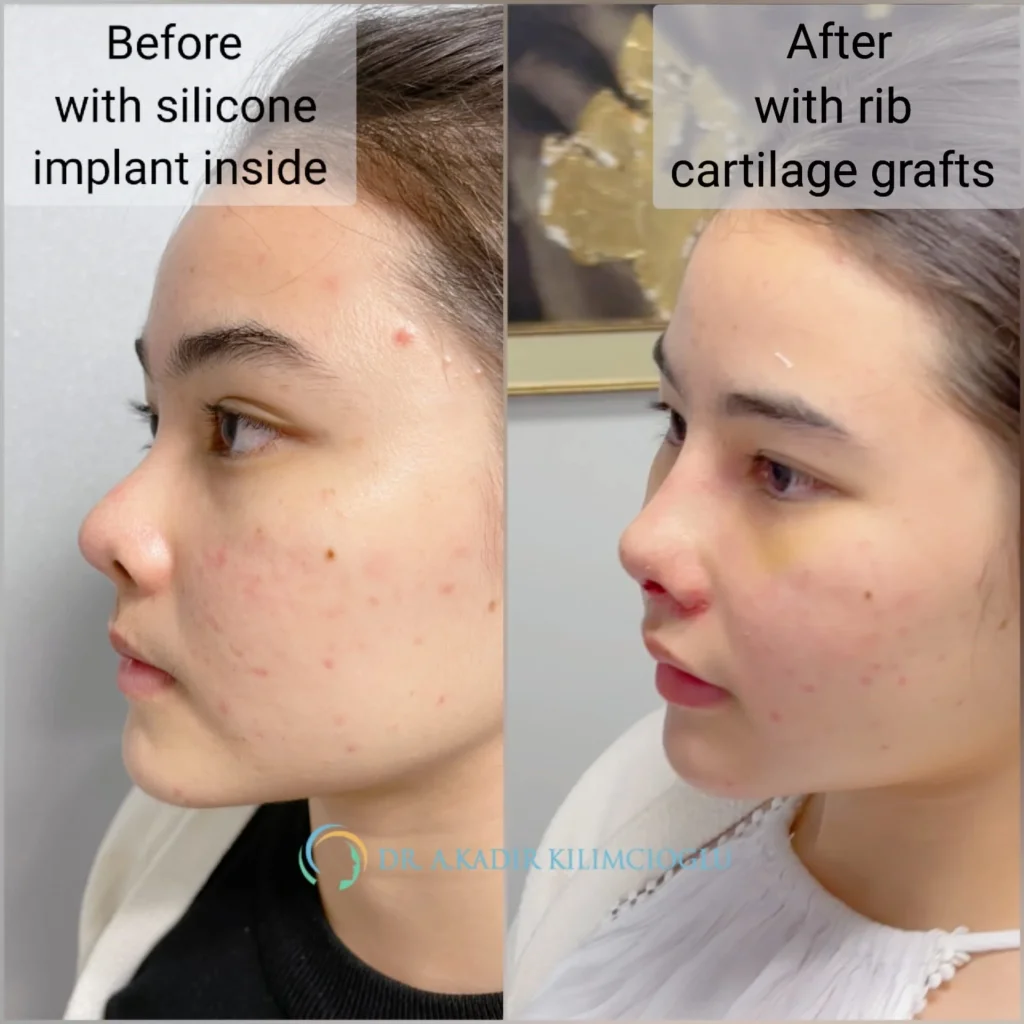
Dr. Kadir is also experienced in revision Asian rhinoplasty surgeries. Revision rhinoplasty almost always requires strong cartilage grafts to rebuild failed support or to correct problems from previous surgeries. Revision rhinoplasty can involve removing silicone implants, Gore-Tex, or permanent fillers, replacing these with safe, long-lasting, autologous rib cartilage. The price for a complex revision surgery starts from € 5,000.
Conclusion
For Asian patients, rhinoplasty is individualized nose surgery to meet each patient’s unique needs. Whether it’s dorsal or tip work, or a combination of these, the emphasis of Asian rhinoplasty is on providing a solid structure to the nose using the patient’s own cartilage. Dr. Kadir provides Asian rhinoplasty to patients looking to enhance their noses while maintaining their ethnicity.

Frequently Asked Questions
Is Asian rhinoplasty in Turkey mainly about augmentation?
Predominantly, yes, although this depends on your unique anatomy.
How long does it take for swelling to go down for thick-skinned people?
It is a slow process, but you can expect a significant reduction in swelling within six months, with further refinement to the tip taking 12 to 18 months.
What can I expect to change with Asian rhinoplasty in Turkey?
Very natural, provided that you have chosen a reputable clinic with an experienced surgeon who understands the importance of ethnic harmony.
How natural can I expect my new look to be after Asian rhinoplasty in Turkey?
Very natural, provided that you have chosen a reputable clinic with an experienced surgeon who understands the importance of ethnic harmony.
Is ethnic revision rhinoplasty in Turkey a high-risk procedure?
Like all forms of surgery, there is a level of risk, although with proper planning, safe materials, and expert hands, ethnic revision rhinoplasty can provide a stable, improved outcome.
Can I expect to have my breathing problems corrected with Asian rhinoplasty in Turkey?
Yes, it is definitely possible to have problems with nasal valve collapse or a deviated septum corrected.
This article is for information purposes only and does not replace a medical examination.
Share
Written by
Opr. Dr. Abdulkadir Kilimcioğlu
ENT & Rhinoplasty Specialist
After graduating from Cerrahpaşa Faculty of Medicine in January 1990 and completing my compulsory service, I completed my residency in ENT and Head & Neck Surgery at Taksim Training and Research Hospital. From 1997 onwards, I worked as an ENT specialist at Sarıyer İsmail Akgün State Hospital for nearly 20 years.
All articles by the authorRelated articles
All articles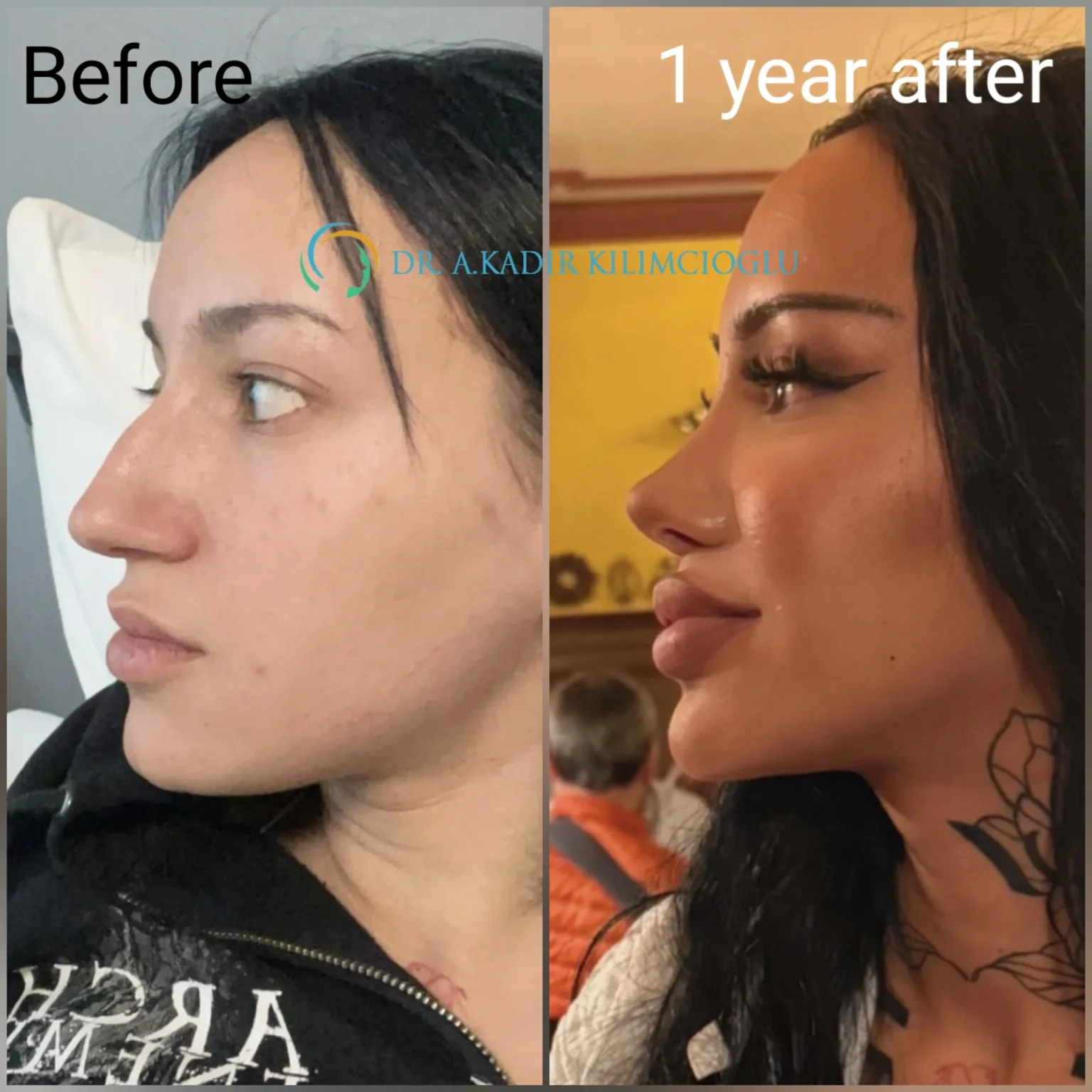
·5 min read
Rhinoplasty Prices in Turkey 2026: A Patient’s Guide
Rhinoplasty remains the most requested plastic surgery procedure worldwide. In 2026, Turkey continues to lead the global medical tourism market due to specialized surgeons, modern clinics,…
Read article
·5 min read
Rhinoplasty Price In Istanbul
Let’s talk about one of the most frequently asked questions. When a patient does research about Rhinoplasty Istanbul one of the most common questions is: If…
Read article
·6 min read
Hispanic Ethnic Rhinoplasty in Turkey
Rhinoplasty for Hispanic or Latin American patients in Turkey is a plastic surgery of the nose that belongs to the group of ethnic rhinoplasties, aimed at…
Read article